Signals Are Not Strategy

Raghu Yadav
| 04-04-2026
 · News team
Artificial intelligence can make an investment pitch feel more sophisticated than it really is. The SEC’s Investor Alert on AI and investment fraud warns that fraudsters may use AI-related language or tools to make their claims sound smarter, faster, or more predictive than they are.
That is the real risk behind dashboards full of signals, trend labels, and buy suggestions. A system can look advanced while still encouraging poor decisions or outright deception. The presence of analytics does not remove the need for judgment. In some cases, it increases the need for it.
Hype Travels
AI has become a credibility shortcut in finance because it sounds technical and modern. Promoters know this. The SEC’s alert explains that fraudsters may exploit excitement around AI to attract investors who assume a complex tool must also be effective or legitimate. That should make people slower, not faster. When an investment pitch leans heavily on the intelligence of the system, it may be trying to avoid a harder conversation about risk, cost, and proof.
This is why investors should treat AI branding the same way they would treat any other financial claim: as something to verify. Sophisticated vocabulary does not replace a real explanation of how the product works or why the promised result is plausible.
Signals Mislead
A screen full of rankings, momentum cues, and automated recommendations can create false confidence. Signals may look objective because they are generated by software, but software still reflects assumptions, data limitations, and the incentives of the people offering it. An AI system can produce neat outputs without being suitable for the investor using it.
That matters because many people confuse data richness with decision quality. More charts and labels do not guarantee better judgment. They can actually increase risk if they encourage faster trading, overconfidence, or a belief that human review is no longer necessary.
Ask Evidence
The right response to any AI-driven investment claim is to ask for evidence. What is the strategy? How is the model supposed to generate return? What are the fees? What are the limitations? Has performance been independently verified, and under what conditions? The SEC’s alert is valuable because it reminds investors that basic due diligence does not go away when the product sounds innovative.
These questions often expose the weakness in a flashy pitch. If the answer relies on secrecy, urgency, or vague claims that the system can “beat the market” because it sees patterns humans miss, skepticism should increase. Serious investing can survive inspection. Weak promotions usually depend on avoiding it.
Protect Process
AI tools may still have a role in research, screening, or summarizing information, but they should sit inside a broader investing process rather than replace it. Goals, diversification, time horizon, risk tolerance, and independent verification still matter. An investor who lets a tool become the strategy is surrendering more control than they may realize.
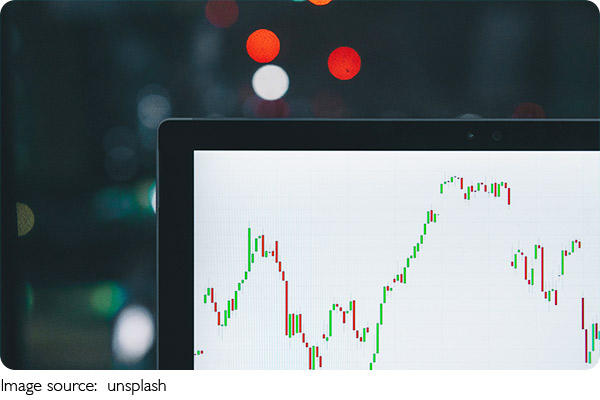
A better process treats AI as one input among many. The investor can use technology to organize information while still insisting on disclosures, product understanding, and a reason the investment fits their plan. That balance captures convenience without handing judgment over to marketing.
Fraud Gets Faster
The SEC’s warning is especially important because modern fraud can move quickly. Professional-looking websites, synthetic testimonials, auto-generated commentary, and polished visuals can make weak or false claims feel normal. By the time an investor starts asking deeper questions, money may already be gone.
That is why the first defense is not technical expertise. It is disciplined skepticism. Investors do not need to understand every detail of machine learning to protect themselves. They need to recognize that complexity can be used as camouflage and that promises made in high-tech language still need ordinary proof.
Judge the Claim
AI may change the tools around investing, but it does not repeal financial common sense. Costs, incentives, transparency, and risk still decide whether a product deserves trust. A system that cannot explain itself in financially meaningful terms is not safer because its interface looks advanced.