Hype vs Incentives

Matteo
| 03-03-2026
 · News team
Crypto influencers dominate feeds with screenshots, countdowns, and bold predictions, turning attention into a billion-dollar marketplace.
The problem is not content itself; it’s incentives. In finance, incentives shape outcomes. When a personality profits from promotion more than performance, followers inherit the downside while the promoter collects guaranteed revenue.
To frame the issue plainly, Charlie Munger, an investor, writes, “Show me the incentive and I’ll show you the outcome.” This lens helps readers evaluate whether a post is designed to inform—or to convert attention into revenue.
What’s Sold
Most influencer content is marketed as education, but the true offering is a feeling: hope plus belonging. Followers are invited into an “early adopter” identity, encouraged to see themselves as smarter and faster than the crowd. That emotional buy-in makes price swings feel like a personal test, not a risk decision.
Pay-to-Play
Many promotions function like advertising, only without a clear sponsorship disclosure. Projects pay creators to feature tokens, collectibles, or new protocols through fixed fees, token allocations, or both. Compensation can vary by audience size and distribution method, and payment often arrives before any long-term results exist to evaluate.
Hidden Incentives
Discounted allocations create a major imbalance. If a promoter receives tokens at a steep markdown compared to public buyers, the risk profile changes. A small price move can produce a large percentage gain for the promoter while buyers need sustained momentum. Without full disclosure, audiences mistake a paid campaign for conviction.
Selective Proof
Performance is frequently curated. A promoter may mention dozens of tokens but highlight only the few that surged, creating survivorship bias. Losses fade from view, while winning screenshots remain pinned and reposted. Even genuine balances can be inflated by free allocations, which look like skill but behave like compensation.
Exit Liquidity
The harshest pattern is “buy low, promote high, sell fast.” When promoters acquire early and then broadcast bullish narratives, follower demand can lift prices temporarily. Selling into that demand locks in gains for insiders. Late buyers carry the risk once the excitement cools and early holders reduce exposure.
Price Mechanics
Thin liquidity makes this cycle worse. Many tokens trade on limited pools where a few large transactions shift price quickly. Retail buyers chase upward candles, then face slippage when trying to exit. In that environment, promotion becomes a market-moving event, and timing matters more than fundamentals for short-term outcomes.
Chart Theater
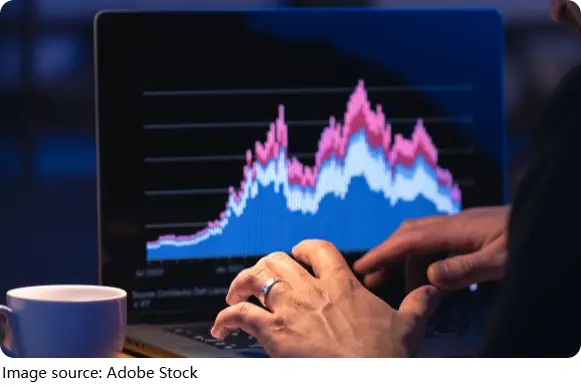
Technical chart posts look authoritative because they resemble professional market commentary. Yet many predictions are hard to evaluate because the rules and timeframes shift: if price rises, the pattern “worked”; if it falls, the timeline changes. In highly volatile markets, random moves can mimic structure. Charts become engagement fuel, not reliable probability work.
Credential Gap
Traditional finance has licensing, fiduciary duties, and track-record verification. Influencer markets usually do not. Anyone can build an audience, borrow jargon, and offer confident calls without demonstrating consistent risk-adjusted results. For complex assets, gaps in knowledge show up in weak explanations of supply schedules, custody risk, and smart-contract exposure.
Behavioral Triggers
Promotions often rely on predictable psychology: urgency language, limited-time claims, and stories of life-changing gains. Wealth imagery and confident tone can create authority bias, making followers treat a personality as proof. Finance professionals focus on process and probabilities; hype content focuses on emotion and speed.
Due Diligence
A safer approach starts with assumptions. Treat every promotion as conflicted until proven otherwise, then verify. Check whether compensation or allocations were disclosed. Review token distribution and lockups, and look for concentrated holdings that can pressure price later. When available, read audits and confirm whether risks are clearly stated.
Source Discipline
Reliable analysis rarely lives in a single feed. Compare multiple perspectives, including critical ones, and prioritize primary materials: documentation, transparent financial disclosures, and verifiable activity on public ledgers. If a project has only praise and no serious downside discussion, that imbalance is a signal. Strong investments withstand scrutiny.
Risk Controls
Even good research cannot remove market risk, so controls matter. Limit position size, avoid chasing sudden spikes, and plan exits before entering. Focus on liquidity, spreads, and realistic time horizons. Most importantly, separate entertainment from decision-making: engaging content can be enjoyable while still being a poor basis for allocating savings.
Conclusion
Influencers thrive because attention converts to money, and money rewards excitement more than nuance. The finance takeaway is straightforward: price moves follow incentives, and undisclosed incentives distort trust. Support transparent educators, demand disclosures, and verify claims independently. Before acting on any promotion, ask a simple question: What would change if the promoter’s pay structure were fully visible?