Mobile Payments and Security

Pardeep Singh
| 02-03-2026
 · News team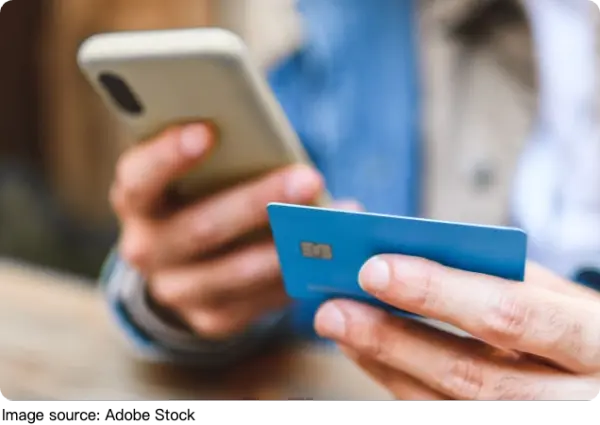
t a busy café, you notice nearly everyone paying with a phone instead of cash or card.
A quick tap or scan completes the transaction in seconds, leaving no need for change or receipts.
The convenience is undeniable, but with speed comes a hidden concern: how secure are these mobile payment methods? In an era where smartphones have become wallets, understanding the security landscape is essential to protect both money and personal data.
Mobile payments offer unparalleled ease, from paying for groceries to transferring money across borders instantly. Yet, convenience must be balanced with caution. By exploring authentication measures, device security, and responsible usage, users can enjoy digital payments safely and confidently.
Authentication and Secure Access
1. Strong Passwords and Biometric Verification
Modern mobile payment apps often use passwords, PINs, fingerprints, or face recognition to verify identity. Strong, unique passwords combined with biometric authentication reduce the risk of unauthorized access even if a device is lost or stolen.
2. Two-Factor Authentication
Two-factor authentication (2FA) adds a second layer of security, typically a code sent to another device or an authenticator app. This ensures that even if login credentials are compromised, attackers cannot easily access your account.
3. App Permissions and Updates
Keeping apps updated and reviewing permission settings helps prevent vulnerabilities. Developers frequently patch security flaws, so neglecting updates can leave accounts exposed to attacks.
Device and Network Safety
1. Using Secure Networks
Public Wi-Fi can be convenient but unsafe for financial transactions. Avoid conducting mobile payments over unsecured networks, or use a trusted virtual private network (VPN) to encrypt data during transmission.
2. Device Protection
Mobile devices should be protected with screen locks, anti-virus software, and device tracking tools. These measures reduce the risk of unauthorized access and allow users to remotely wipe data if the device is lost or stolen.
3. Avoiding Suspicious Links and Apps
Phishing attacks and malicious applications can compromise sensitive information. Only download payment apps from official stores and be cautious when clicking on links in emails, messages, or social media.
Responsible Mobile Payment Practices
1. Monitor Transactions Regularly
Regularly reviewing transaction histories helps detect unusual activity quickly. Many apps offer instant notifications for purchases, allowing users to act immediately if suspicious charges appear.
2. Limit Stored Payment Methods
Avoid storing multiple bank accounts or credit cards in one app unless necessary. Keeping fewer accounts connected reduces the impact of a potential security breach.
3. Educate Yourself on Scams
Understanding common threats, such as fake payment requests or fraudulent QR codes, empowers users to avoid pitfalls. Awareness combined with caution ensures that convenience does not compromise security.
The convenience of mobile payments transforms everyday transactions, but it comes with responsibilities. By using strong authentication, protecting devices, and practicing vigilance, users can enjoy cashless payments without exposing themselves to unnecessary risks. Digital wallets and apps should enhance life, not create anxiety, and informed habits are the key to balancing ease and security in the fast-moving world of mobile finance.