Silver's Big Rally

Matteo
| 14-10-2026
 · News team
Silver has moved from a quiet precious metal into one of the market's most closely watched assets.
Prices have climbed sharply, attention has intensified, and investors are asking the same question: is this rally overheating, or is it still in its early stages? The answer lies in a powerful mix of supply strain, industrial demand, investor behavior, and market structure.
Supply Squeeze
One of the clearest reasons silver prices are rising is that the market has been running a persistent deficit for years. According to data from the Silver Institute, more silver is being used and bought than miners are producing. When that imbalance lasts long enough, above-ground inventories begin to shrink, and the market becomes far more sensitive to every new wave of demand.
Tight Inventories
That shortage matters because silver is not like an asset that can be created quickly when prices rise. New mine supply takes time, planning, and capital. Even when prices become attractive, production does not instantly appear. As available stockpiles get drawn down, holders of physical silver become less willing to sell unless they are offered meaningfully higher prices.
Industrial Pull
Silver's rally is also supported by its industrial role. Unlike gold, which is driven more by jewelry and investment demand, silver is heavily used in manufacturing because it is an outstanding conductor. It remains important in electronics, advanced equipment, and energy-related applications. That practical use gives silver a second source of support beyond investor enthusiasm alone.
David Rosenberg, an economist and market analyst, said that silver's dual role as both an industrial metal and a financial asset gives it a unique sensitivity to both economic cycles and investor sentiment shifts.
Demand Pressure
When industrial demand stays firm at the same time that investment demand accelerates, the pressure on supply becomes much stronger. This is what makes silver especially volatile. It is not only a store of value in the eyes of investors. It is also a working material for the real economy, which means competing buyers can push the market higher quickly.
Physical Rush
Another major force behind the rally is the growing preference for physical metal. When buyers become more eager to own silver immediately rather than later, the market sends a strong signal. That urgency often appears in pricing differences between spot metal and future delivery contracts. It suggests not just optimism, but a direct scramble for available supply.
Futures Signal
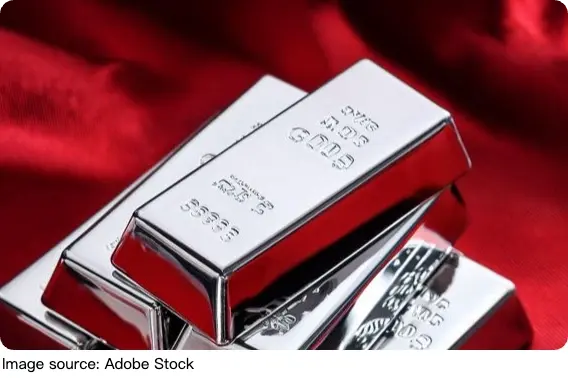
This is where backwardation becomes important. Normally, futures prices sit above spot because storage and financing cost money over time. When the opposite happens and near-term silver trades at a premium, it signals unusual stress. Buyers are effectively saying they value possession now more than a later promise, which is rarely seen unless the physical market is unusually tight.
Momentum Effect
Once a market starts sending that kind of signal, investor psychology can add another layer of fuel. Traders and private buyers see the urgency, interpret it as confirmation of scarcity, and move faster. The result can become self-reinforcing. Tight supply attracts buyers, buyers tighten the market further, and rising prices then bring in even more attention from those afraid of missing the move.
Money Conditions
Silver also responds strongly to broader monetary conditions. When rate expectations soften or when financial conditions look looser, non-yielding hard assets often become more attractive. Investors begin to compare the long-term value of paper money with scarce physical assets. In that kind of environment, silver can benefit not only from industrial use, but also from renewed interest as a monetary hedge.
Price Gaps
Recent volatility has also revealed unusual differences between silver prices in different trading regions. When the same metal trades at sharply different prices depending on where it is being bought, the market is showing stress. Those gaps suggest that normal arbitrage is struggling to keep up, and that physical demand is strong enough to overpower the usual balancing mechanisms.
Not Easy
Still, a powerful rally does not mean silver's path will be smooth. In fact, one of silver's defining features is how violently it can move once momentum takes over. The same small market size that helps prices surge can also make them fall hard when enthusiasm cools. Investors should never confuse a strong trend with a stable one.
Volatility Risk
That volatility is especially important for anyone entering the market late. A sharp rise can create the impression that fundamentals alone are in control, when in reality speculative buying may already be stretching prices beyond what the immediate supply picture justifies. In silver, price can move far ahead of comfort, then correct brutally before the longer-term trend resumes.
What Next
The outlook remains supported as long as supply stays tight, industrial use remains healthy, and investors continue to favor physical metal. Those forces do not disappear overnight. Yet silver may still experience deep pullbacks along the way, especially if speculative demand runs too far ahead of the market's ability to absorb it calmly.
Smart Approach
For investors, that means strategy matters more than excitement. Silver can offer major upside when the market tightens, but it also demands patience and discipline. Buyers need to know whether they are owning it as a long-term store of value, an industrial-demand thesis, or a tactical trade. Without that clarity, volatility can shake out even people who were right in principle.
Silver prices are rising because several powerful drivers are hitting the market at once: ongoing supply deficits, tight physical availability, strong industrial demand, and renewed investor urgency. Those forces can keep supporting higher prices, but they also create a market that moves fast and punishes weak conviction. When silver's rally still has room to run, the real question is whether investors are prepared for the turbulence that comes with it.