Green Future Funding

Caroll Alvarado
| 30-04-2026
 · News team
Hello, Lykkers! The shift toward a greener economy is one of the biggest transformations happening in the modern world. From renewable energy to cleaner transport and sustainable industries, countries and companies are investing heavily in reducing environmental damage.
But there’s one major question that always comes up: why is the green transition so expensive, and why is it still necessary? The answer lies in the scale of change required—and the long-term benefits it brings.
Why the Green Transition Costs So Much
The move from fossil-fuel-based systems to clean energy is not a simple upgrade. It requires rebuilding major parts of the global economy.
First, infrastructure must change. Power plants, factories, transport systems, and supply chains all need to shift toward low-carbon technologies. Wind farms, solar grids, electric vehicle networks, and energy storage systems require huge upfront investment.
Second, technology is still developing. While renewable energy has become cheaper over time, many supporting systems—like large-scale battery storage and hydrogen production—are still costly and not fully optimized.
Third, transition means replacing existing systems, not just adding new ones. That creates “stranded assets,” where old infrastructure becomes less useful before its full economic life ends.
The Short-Term Pain vs Long-Term Gain
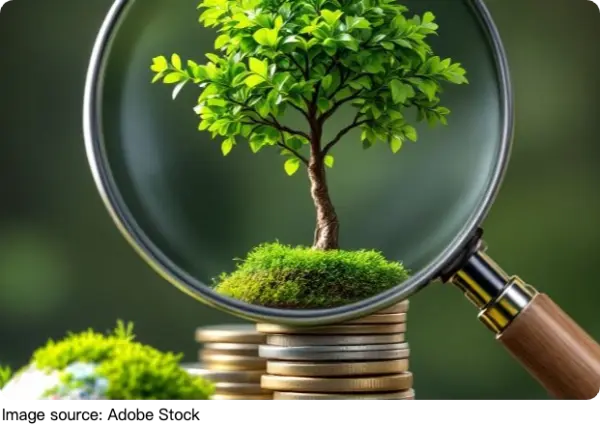
The green transition is expensive in the short term, but it is designed to reduce far larger costs in the future—especially those linked to climate change.
Extreme weather events, rising sea levels, and environmental damage already create massive economic losses globally. Investing in cleaner systems is essentially a way of reducing future financial risk.
In simple terms, it is like paying for prevention rather than paying for damage later.
Expert Insight on the Economic Shift
Nicholas Stern, a leading authority on climate economics, has argued that the costs of inaction on climate change are far higher than the costs of taking action now. His research highlights that early investment in low-carbon systems is economically rational when compared to long-term environmental damage.
This perspective has influenced governments and financial institutions worldwide to treat climate investment as economic protection rather than optional spending.
Why Governments and Businesses Still Invest
Despite the high costs, countries and corporations continue to invest in green transitions for several reasons:
One major reason is energy security. Renewable energy reduces dependence on imported fossil fuels, making economies more stable in the long run.
Another reason is regulatory pressure. Many governments are introducing carbon taxes, emissions targets, and sustainability rules that push industries toward cleaner operations.
Finally, investor demand is growing. Large financial institutions increasingly prioritize sustainable investments, which encourages companies to adopt greener practices to attract capital.
The Role of Innovation in Reducing Costs
Over time, technology tends to make the green transition more affordable. Solar panels, for example, have become significantly cheaper over the past decade due to mass production and innovation.
Research and development in energy storage, smart grids, and sustainable materials is also helping reduce long-term costs. As these technologies mature, the financial burden of transition is expected to decrease.
A Necessary Investment for the Future
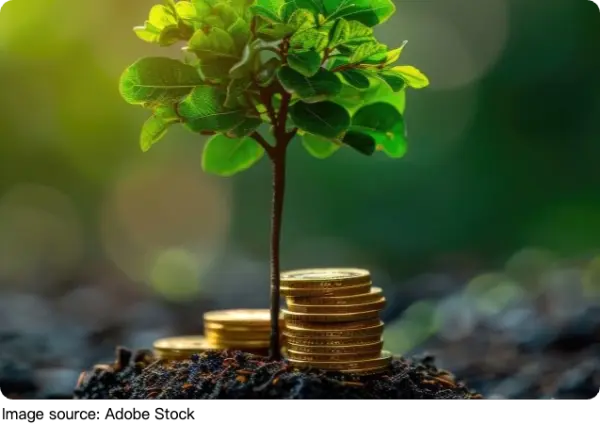
The green transition is often described as expensive, but this view only reflects the short-term picture. When seen from a long-term perspective, it is an investment in economic stability, environmental protection, and future resilience.
Without it, the world risks higher costs from climate disasters, resource shortages, and economic disruption.
Final Thoughts
Lykkers, the green transition is not just an environmental movement—it is a global financial shift. While the upfront costs are significant, the long-term benefits include more stable economies, healthier environments, and reduced risk for future generations.
In the end, the question is not whether we can afford the transition, but whether we can afford to delay it.