Smart Skies, Safe Farms

Pankaj Singh
| 06-07-2026
 · News team
Hello, Lykkers!
Imagine planting an entire field after weeks of preparation, only to watch an unexpected dry spell slow growth or a burst of rain wash away nutrients from the soil.
For many farmers, weather is not background noise—it is part of every financial decision made from sunrise to sunset. That is why weather analytics is becoming such an important tool in modern agriculture. Instead of relying only on general forecasts, farmers now use detailed weather insights to plan smarter, cut unnecessary spending, and protect their income when conditions become unpredictable.
When the Weather Changes, So Does the Budget
A farm budget can shift quickly because of weather. A few hotter-than-usual days may increase irrigation costs. Heavy rain can delay harvest schedules and affect delivery plans. Longer dry periods may require extra resources to keep crops healthy. These changes add up. Seed investments, fertilizer use, transportation, and equipment schedules all depend on timing. If weather interrupts the cycle, profits can shrink.Weather analytics helps farmers move from reacting to preparing. Instead of waiting for problems to appear, they can adjust plans before the impact grows.
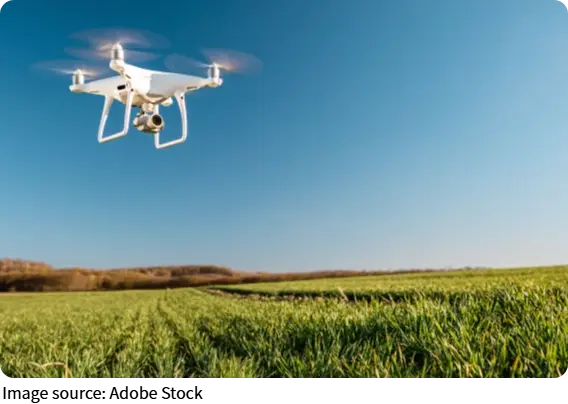
The Technology Behind Better Decisions
Weather analytics sounds complex, but the idea is simple: gather environmental information and turn it into practical guidance.
Farmers now have access to tools such as:
- Satellite images that show crop conditions and moisture levels across fields
- Ground sensors that monitor temperature, soil moisture, and humidity
- Forecast systems that track rainfall trends and changing conditions
- Artificial intelligence programs that suggest planting or irrigation timing
Picture a farmer checking field data in the morning and seeing a strong chance of rain later in the week. Rather than applying fertilizer immediately, they delay the task and avoid nutrient loss. One small decision can save both materials and money.
What Experts Say
Diego Arias, Practice Manager at the World Bank and a specialist in agriculture risk information, put the value of data simply: “Information can make or break a farmer’s prospects.” In World Bank analysis, he explained that farmers plan planting, harvest, use of inputs such as fertilizers and pesticides, livestock activities, and market sales around weather reports and other risk information.
Richard Waite, Director for Agriculture Initiatives at the World Resources Institute’s Food, Land, and Water Program, brings the same focus from the climate-resilience side. WRI research co-authored by Waite points to digital communication technologies, seasonal forecasts, enhanced data analytics, and early warnings for pest outbreaks as practical supports that help farmers adapt to shifting conditions.
How Weather Analytics Saves Money
The financial benefits of weather analytics are becoming easier to see on farms of every size.
Lower water use is one example. Precision irrigation systems use weather and soil data to deliver only the amount of water crops need. That means reduced utility costs and less waste. Crop protection is another advantage. Early alerts about frost, storms, or dry conditions give farmers extra time to respond. Insurance support is improving too. Weather-based insurance models use climate data to assess risk more accurately and speed up assistance when needed.
The Future Field Is Digital
Agriculture has always relied on experience—the feel of the soil, the look of the sky, the timing learned over years in the field. That wisdom still matters. What is changing is the support behind those decisions. Weather analytics adds another layer: real-time information. Farmers can combine experience with data, creating plans that are both practical and precise.
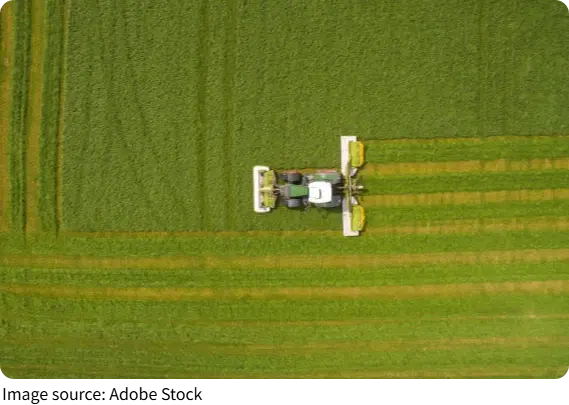
Climate experts and agricultural organizations continue encouraging climate-smart farming approaches because better forecasting and risk planning strengthen long-term stability.
For farmers today, understanding weather is no longer only about protecting crops. It is about protecting livelihoods. So, Lykkers, next time you see a weather update, think beyond sunshine or rain. Somewhere, a farmer may be using that information to safeguard an entire season’s work—and secure the future of the farm.