Future Energy Wealth

Arjun Mehta
| 13-07-2026
 · News team
Hello, Lykkers! Electricity is something most people rarely think about — until the lights go out.
Yet behind every smartphone charge, online payment, factory machine, and electric vehicle is a massive energy network working nonstop to keep economies alive. Today, that network is going through one of the biggest transformations in modern history.
Around the world, governments and companies are investing billions of dollars to modernize energy infrastructure. From smarter power grids to renewable energy systems, these upgrades are becoming essential not only for sustainability, but also for financial growth and economic stability.
Why Old Energy Systems Are Struggling
Much of the world’s electricity infrastructure was built decades ago. Traditional power grids were designed for a time when energy demand was simpler and more predictable. But today’s world runs on digital technology, cloud computing, electric vehicles, and artificial intelligence — all of which require enormous amounts of electricity.
As demand continues growing, aging energy systems are facing increasing pressure. Power outages, rising maintenance costs, and inefficient transmission systems can slow businesses and increase expenses for both industries and consumers. Modern economies simply cannot function efficiently without reliable energy networks.
That is why countries are now racing to upgrade outdated infrastructure with advanced technologies that improve efficiency, reliability, and long-term performance.
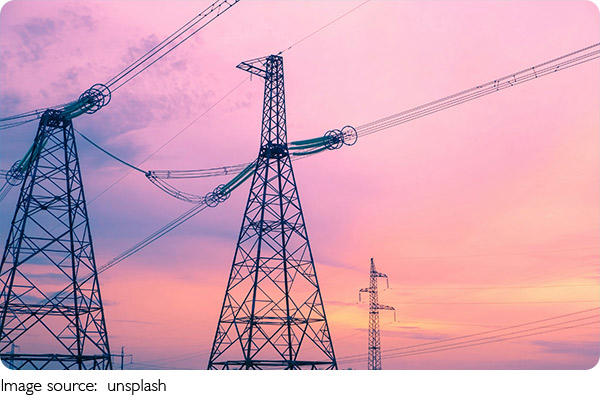
The Rise of Smart Energy Infrastructure
One of the most important developments in the energy sector is the rise of smart grids. Unlike traditional grids, smart energy systems use digital monitoring, automation, and real-time data analysis to manage electricity more effectively.
These systems can quickly detect outages, balance power demand, and even redirect electricity during emergencies. They also allow renewable energy sources such as solar and wind power to integrate more smoothly into national grids.
For businesses, this means lower operational risks and improved productivity. For consumers, it can lead to fewer outages and more stable electricity costs. Smart infrastructure also plays a huge role in supporting electric vehicles, smart cities, and future technologies that rely on constant energy access.
A Multi-Billion-Dollar Investment Opportunity
Modernizing energy infrastructure has become one of the world’s biggest financial opportunities. Governments, utility companies, and private investors are spending enormous amounts of money on energy upgrades.
Construction companies, technology firms, engineering businesses, battery manufacturers, and renewable energy providers are all benefiting from this transformation.
Large-scale energy projects also create jobs and stimulate local economies. Building power stations, transmission lines, and renewable energy facilities requires skilled workers, advanced materials, and long-term investment.
For investors, the energy transition has created entirely new markets focused on sustainability, digital infrastructure, and clean technology. Many analysts believe energy modernization could shape global economic growth for decades to come.
Expert Opinion on the Energy Shift
Fatih Birol, Executive Director of the International Energy Agency, notes that global markets have entered a definitive era defined by electrification. This shift means power networks function as the foundation for industrial expansion and digital operations.
Advanced economies experience a resurgence in electricity consumption driven by artificial intelligence networks and computing centers. To maintain competitiveness, nations must expand power capacity to match corporate demand.
The International Energy Agency reports that over 2,500 gigawatts of global energy initiatives remain delayed due to insufficient network connections. Resolving these backlogs requires deployment of automated monitoring systems and regulatory adjustments.
As grid security merges with economic resilience, direct government intervention replaces traditional market-driven expansion models.
The Financial Risks of Falling Behind
Countries that delay infrastructure upgrades may face serious economic consequences. Weak power systems can discourage foreign investment, reduce industrial productivity, and increase energy costs for businesses and households.
Data centers, technology hubs, and manufacturing industries all depend on stable electricity supplies. If infrastructure becomes unreliable, companies may choose to invest elsewhere.
There is also the challenge of energy security. Extreme weather events, rising electricity demand, and aging grids can expose weaknesses in outdated systems. Modern infrastructure helps economies become more resilient and adaptable during disruptions.
At the same time, cleaner and more efficient systems can reduce long-term operating costs and improve environmental performance.

Looking Ahead
The modernization of energy infrastructure is transforming the global economy in ways many people do not immediately notice. Behind every smart device, electric vehicle, and digital service is an energy system that must evolve to support the future.
For Lykkers, this transformation is more than a technology story — it is a financial revolution. Countries and companies investing in smarter energy networks today are preparing for stronger economic growth tomorrow.
In the coming years, energy infrastructure may become one of the most valuable drivers of global finance, innovation, and industrial progress.