Future of Financial Data

Arvind Singh
| 22-07-2026
 · News team
Readers, the world of finance is being fundamentally rewritten by the power of data analytics.
No longer just a tool for back-office reporting, advanced data systems have become the primary engine of modern decision-making.
From estimating credit risks to spotting fraudulent transactions instantly, the ability to analyze numbers in real time is transforming how businesses manage their capital. Understanding this trend is essential for anyone looking to navigate today's financial career paths.
Data Revolution Shift
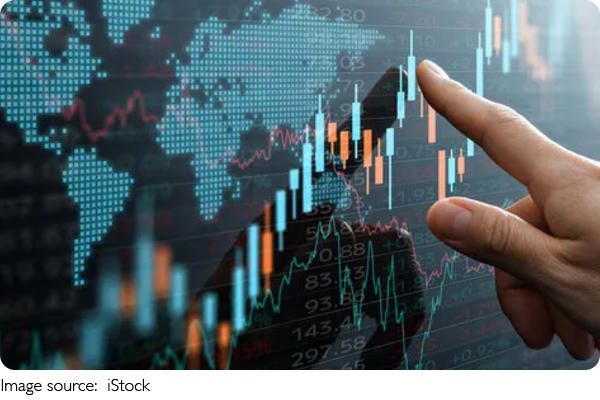
Historically, financial institutions relied on retrospective data, reviewing quarterly reports to guide future policies. Today, modern analytics engines process millions of data points every second, offering immediate visibility into market movements and consumer behaviors.
This shift from historical review to proactive prediction allows firms to optimize their resource allocation and capture value faster than ever before.
By automating routine data ingestion, companies are significantly reducing manual entry errors, which can cost businesses thousands of dollars in compliance penalties. This software transition allows human professionals to focus on high-level strategic planning. The combination of clean data and human oversight is becoming the standard for modern corporate governance.
Meg Day, an Executive within Gartner's Finance Practice, oversees research covering quantitative analytics, data science, business analytics, and AI in finance. Gartner's research in these areas highlights how advanced analytics and AI can help finance and leadership teams improve forecasting, generate actionable insights, and make faster, better-informed decisions.
Effective use of these technologies also depends on high-quality data and appropriate human oversight.
Market Size Stats
The market size for these analytics tools is seeing rapid growth as firms prioritize digital technology. Global valuations for the financial data analytics market range between $10.45 billion and $16.60 billion in 2026. This variance reflects different segments, such as software solutions, data-management services, and specialized cloud integration platforms.
Industry analysts project this market will grow at a compound annual rate of 3.8% to 12.0% over the coming years. This growth is driven by massive corporate spending on cloud migration and artificial intelligence integration. Banks and asset management firms are dedicating a larger portion of their annual operating budgets to securing these tools.
Rising Analyst Pay
This market expansion has created a high demand for skilled analysts who can interpret complex financial data. In 2026, general data analyst salaries range from $70,000 to $120,000 annually. Total compensation packages, including performance bonuses and equity options, can push these numbers significantly higher for experienced professionals in major metropolitan hubs.
Senior analysts in specialized financial technology sectors can command base salaries between $130,000 and $150,000. Analysts with advanced technical skills, such as Python coding or machine learning expertise, can earn 60% to 80% above baseline rates. Financial data specialists typically earn 30% to 45% more than general industry averages, reflecting their expertise.
Real Time Benefits
For consumers, the primary benefit of financial analytics is hyper-personalization. Algorithms can evaluate transaction history to offer tailored budgeting advice, recommend suitable investment products, and alert users to potential savings. This real-time support helps individuals manage cash flows more effectively, making sophisticated wealth-building strategies accessible to everyday household budgets.
Firms are also utilizing cloud-based analytics to offer instant credit decisions. Instead of waiting days for loan approval, consumers can receive a credit score assessment within minutes. This speed improves the customer experience and lowers transaction friction, helping local economies expand by facilitating faster access to capital for small business owners.
Systemic Fraud Risks
However, the centralized collection of massive financial data introduces significant risks. Concentrating sensitive personal information in digital databases makes financial institutions prime targets for cybersecurity breaches. Cybercriminals are constantly developing sophisticated tools to target these databases, putting consumers at risk of identity theft and unauthorized financial transactions.
Additionally, data analytics systems can produce biased outcomes if the underlying historical data contains patterns of discrimination. If algorithms are trained on biased data, they may unfairly restrict access to credit for certain categories of applicants. Values can rise or fall, and relying solely on automated algorithms without human oversight carries risk.
Smart Analytics Tips
To protect personal information, consumers should review the privacy terms of their financial apps. It is helpful to compare the data-sharing policies of different platforms before linking bank accounts. Users may consider limiting the amount of personal detail they share online and setting up strong multifactor authentication on all accounts.
When utilizing automated advisory tools, readers should remember that past performance does not guarantee future results. It can help to compare recommendations from multiple sources and verify the credentials of any digital platform. Consulting a qualified financial professional before making major investment changes remains a highly recommended and prudent step.
Future Data Trends
The convergence of artificial intelligence and data analytics will continue to shape the financial sector. As storage costs fall and computing power increases, real-time insights will become standard for even the smallest financial institutions. Keeping up with these technical developments is essential for both career advancement and personal money management.
Ultimately, the power of financial data analytics is transforming how wealth is managed, protected, and grown in 2026. By understanding these systems and adopting smart security habits, you can take control of your financial destiny. How will you use data-driven tools to optimize your savings and investment strategies this year?
Financial data analytics is no longer a luxury—it is a necessity for businesses and individuals alike. As algorithms grow smarter and processing speeds accelerate, the ability to harness data will separate those who thrive from those who fall behind. However, technology alone is not the answer. Human judgment, ethical oversight, and personal vigilance remain essential partners to automation.
By combining analytical tools with informed decision-making, you can navigate the complexities of modern finance with confidence and clarity. The future belongs to those who understand the numbers—and themselves.