Oil Prices and Your Budget

Daniel
| 14-10-2026
 · News team
When the price on the gas station board jumps up or down, it feels like a small change: a few cents per gallon, a few dollars per fill-up. But that number is a signal that reaches far beyond your car.
Oil prices shape the cost of almost everything that moves, keeps the lights on, or sits on a supermarket shelf. The pump is only the most visible part of a much larger system, and this article follows that cost through transport, groceries, travel, and the household budget.
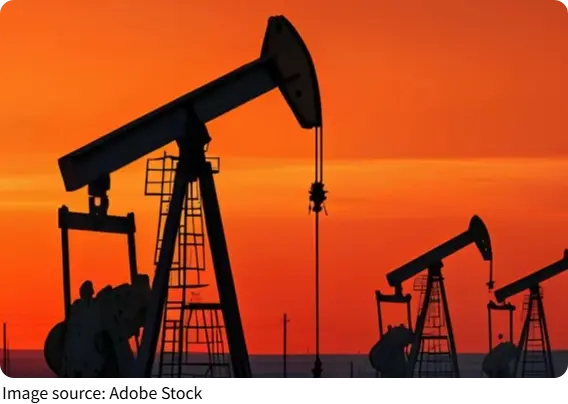
Gasoline Is Just the Start
If gasoline rises significantly, it doesn't just make the daily commute more expensive. It starts a chain reaction: delivery trucks cost more to run, shipping companies raise their rates, and businesses pass those costs along to customers. The coffee in your cup, the packaged bread, even the clothes you wear all carry some fuel cost in their price.
Transportation and Your Daily Routine
For many people, the first place they feel rising oil prices is at the gas station. Imagine driving roughly 600 miles a week for work and errands and filling up twice a week. If the price per gallon climbs by 20 to 30%, an ordinary commute can add tens of extra dollars to a monthly budget.
Beyond private cars, public buses, ride sharing, and delivery apps all depend on fuel. When oil prices rise, transit operators may raise fares or cut service. Families who rely on these services can face a choice between spending more or going without. Even a modest weekly increase reduces the money a household has left over.
What Your Grocery Bill Hides
Next time you walk through the supermarket, look at the shelves of fresh produce, bread, snacks, and cleaning supplies. Almost all of it arrived from far away. The lettuce may have been trucked hundreds of miles, and the frozen food was kept cold for days in transit. Every mile traveled and every refrigeration unit running costs more when oil prices are high.
Those costs land in your basket. A product that normally sells for 3 dollars might creep up a few cents at a time as businesses stop absorbing rising fuel expenses. If oil prices stay high for months, discounts shrink, bulk deals become rarer, and promotions feel less generous. What began at the pump slowly shows up in the weekly grocery bill.
Travel, Tickets, and Fuel Costs
When you book a flight, a train trip, or a cross-country bus ride, you're not just buying a seat. You're also buying fuel. Many airlines and transport companies hedge against fuel prices, meaning they lock in a price in advance, but when oil spikes they eventually pass those costs to passengers. Tickets that used to feel reasonable begin to look steep, especially for last-minute or peak-season travel.
Hotels near airports and tourist hubs also feel the pinch. The trucks bringing laundry, cleaning supplies, and fresh food have higher fuel costs. Some properties raise room rates or add a small fee labeled an energy surcharge. Piece by piece, the cost of oil works its way into the vacation bill.
Family Budgets Feel the Ripples
For a middle-income household, the effects of rising oil prices are subtle but constant. Mike Walden, William Neal Reynolds Distinguished Professor Emeritus at North Carolina State University, notes in his You Decide column that food and gas together account for 13% of the average US household's spending, but 40% for low-income households.
He adds that these figures understate the real effect of fuel, because gasoline is a key input into many other products and services people buy. That is why the pressure rarely arrives as one large bill. It builds as small extra costs across almost every weekly expense.

Oil prices don't belong only to traders and energy companies. When the pump price swings, treat it as an early warning for the rest of the month: leave some room in the grocery budget, combine errands into fewer trips, and book travel early. Reading that signal gives you time to adjust before the other costs arrive.