Refineries and Fuel Prices

Daniel
| 24-10-2026
 · News team
When oil prices rise or fall, most people assume it’s all about how much crude oil is being produced. But there’s another powerful factor working behind the scenes: refinery capacity.
This often-overlooked element plays a crucial role in shaping fuel prices and, ultimately, the broader economy. Here is how it works and why it matters at the pump.
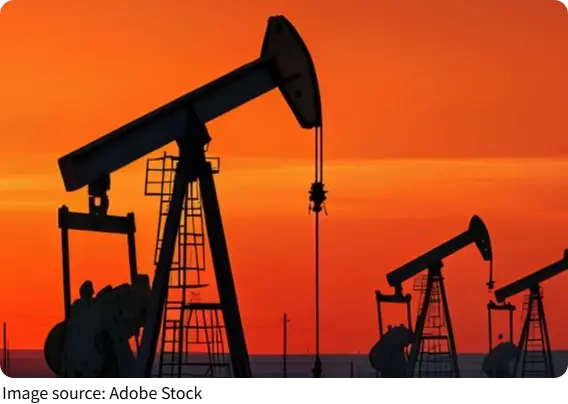
What Is Refinery Capacity?
Refinery capacity refers to the amount of crude oil that refineries can process into usable products like gasoline, diesel, and jet fuel. Even if there is plenty of crude oil available globally, it must be refined before it can be used.
Think of it as a production line. If the line slows down or reaches its limit, the final products become scarce, even if raw materials are abundant.
The Bottleneck That Drives Prices
Refinery capacity acts as a bottleneck in the energy supply chain. When demand for fuel rises but refineries are already operating near their limits, supply cannot keep up, and this imbalance pushes prices higher.
In many cases, rising fuel prices are not caused by a shortage of crude oil, but by limited refining capacity. When refineries cannot increase output quickly, the supply of gasoline and diesel tightens, leading to price increases at the consumer level.
Why Prices React So Quickly
One of the most striking aspects of refinery constraints is how quickly they affect prices. If a refinery shuts down temporarily due to maintenance, accidents, or natural disasters, fuel supply drops and prices respond almost instantly.
Crude oil production adjusts more gradually, while refining disruptions create short-term shocks that ripple through markets. This is why fuel prices sometimes rise even when crude oil prices appear stable.
Utilization Rates and Market Sensitivity
Total capacity is only part of the picture. Utilization, the share of that capacity actually in use, matters just as much. When refineries run at high utilization rates, the system becomes more fragile, with little extra capacity to absorb unexpected demand or supply disruptions.
As a result, even small issues can lead to noticeable price spikes. On the other hand, when there is spare capacity, the market can respond more smoothly to changes, keeping prices more stable.
Why More Refineries Aren’t Built Easily
If limited capacity causes higher prices, it might seem logical to simply build more refineries. However, the reality is far more complex.
Building a refinery requires massive investment, strict regulatory approvals, and years of construction. Companies must also consider long-term demand trends before committing to such projects. Because of these challenges, refinery capacity does not expand quickly. This creates a lag between rising demand and increased supply, contributing to price volatility over time.
Expert Insight on Refining Constraints
Fatih Birol, executive director of the International Energy Agency (IEA), described the diesel market in Europe and beyond as very tight in late September 2026. In its October oil market report, the agency placed the core problem in refining capacity rather than crude availability, since extra crude cannot quickly replace lost diesel output.
This is why analysts look beyond raw oil production when they assess energy markets.
The Broader Economic Impact
Refinery capacity doesn’t just affect fuel prices, it has wider economic consequences. When fuel prices rise, the effects usually include:
- Higher transportation costs
- Higher production expenses for businesses
- Rising consumer prices across multiple sectors
Because energy is a fundamental input in nearly every industry, constraints in refining can contribute to inflation and reduce overall economic efficiency.

Lykkers, crude oil production often grabs the attention, but the real pressure point frequently lies in the ability to refine that oil into usable products. This explains why prices can move unexpectedly and why relief from rising fuel costs is not always immediate.
When pump prices jump while crude stays steady, look for news of refinery outages or maintenance before assuming the rise will last, since these short-term shocks often ease once output recovers.